
Let’s Raise Athletes Who Actually Last
Most young athletes are busy. Practices. Games. Tournaments. More reps. More drills. More pressure to “keep up.”
What they usually don’t get is someone making sure their body is actually prepared for all of it.
That’s where I step in.
I coach youth athletes to move cleaner, react faster, and handle the physical demands of their sport without constantly feeling beat up. My goal isn’t to make them exhausted after a session. My goal is to help them become athletes who stay durable, confident, and capable as competition gets tougher.
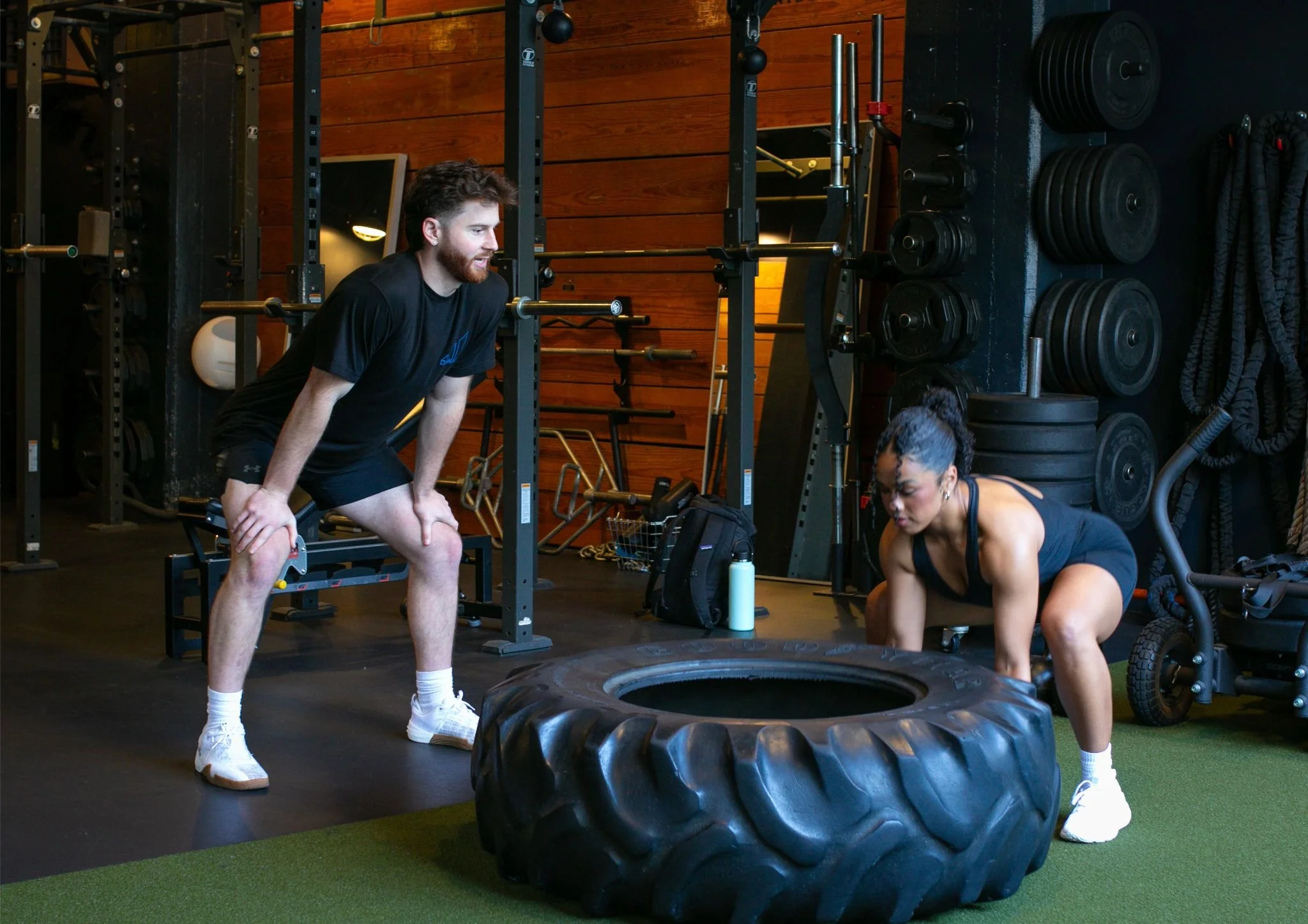
I Coach The Athlete First, The Sport Second
A lot of young players spend years sharpening skills without ever learning how to control their own body. That eventually catches up to them.
When athletes train with me, we focus on how they sprint, how they land, how they rotate, and how they absorb force. Those details matter more than most people realize. If movement is sloppy, performance leaks and injuries start creeping in.
I pay attention to how your athlete moves when nobody is watching. That is usually where the biggest improvements live.

Growth Spurts Change Everything
Youth athletes aren’t small adults. Their coordination shifts. Limbs grow fast. Strength doesn’t always keep up. That is when mechanics break down, and frustration shows up.
I adjust coaching around those changes instead of pushing athletes through them blindly. Some phases require more control work. Some require strength support. Some require backing off on intensity so development stays smooth.
Training should match how the athlete is developing, not just what their schedule demands.
Parents Usually Notice The Difference First
Parents often tell me their athlete moves more confidently, handles practices better, and recovers faster during busy seasons. That feedback matters because performance is not just about game day. It is about how athletes handle the full training load across the year.
Durability is a skill. It can be trained.
Some Athletes Need More Than Team Practice
Team training is great for skill and competition, but it rarely allows individual attention to movement quality or physical development. That is not a knock on coaches. It is just reality when managing large groups.
Private coaching gives athletes space to slow down, clean up movement mistakes, and build physical tools that team practices usually do not have time to address.
That extra layer often becomes the difference between athletes who plateau and athletes who keep progressing.
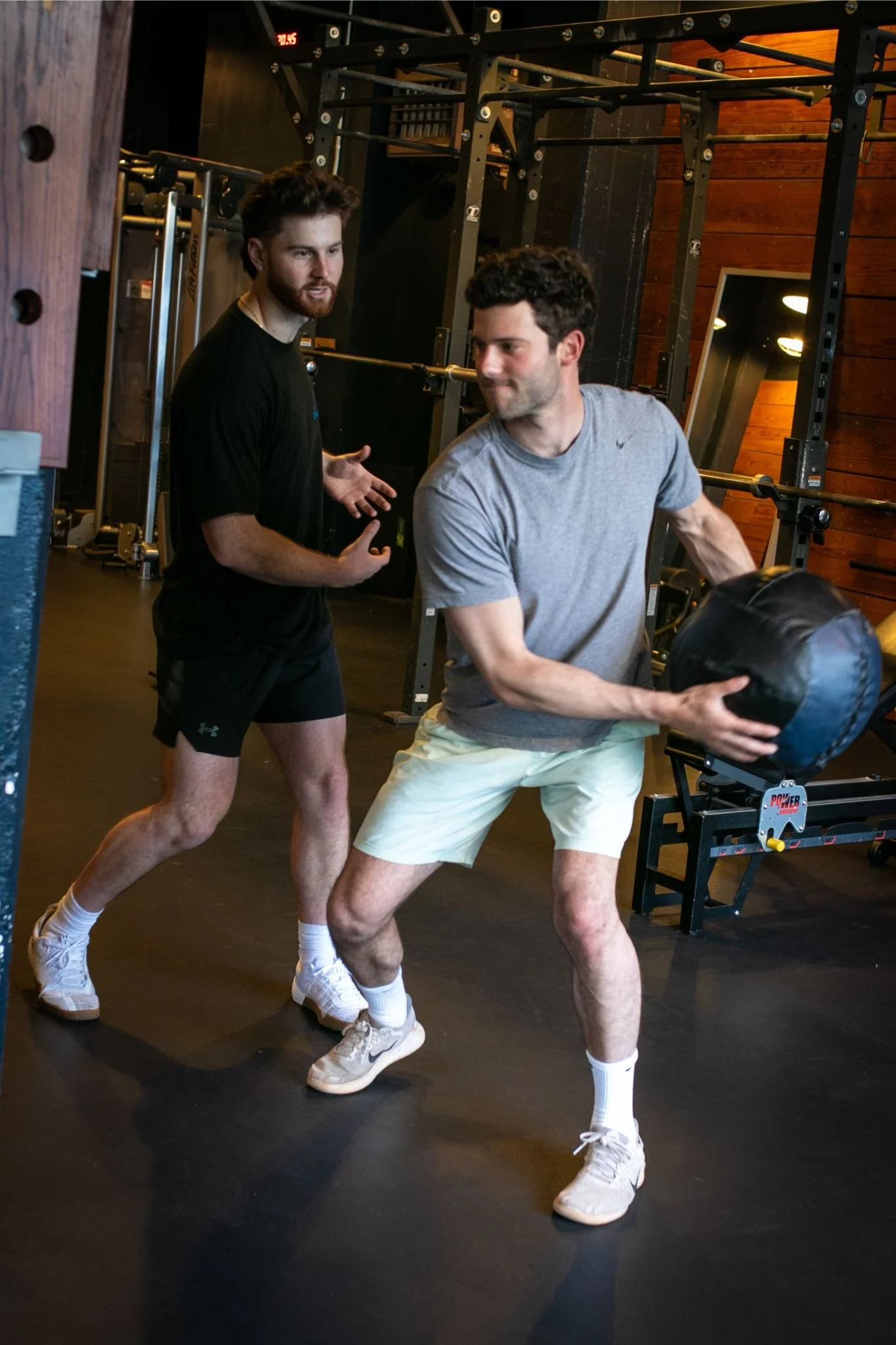
I Work Best With Athletes Who Want To Improve The Right Way
I coach middle school and high school athletes who are serious about development but still need guidance in building their physical base.
Some are preparing for higher competition levels. Some are rebuilding after injuries or growth changes. Some just feel stuck and need direction outside of team practice.
The common thread is athletes who want to get better and are willing to stay consistent.

But WHY Youth Training???
01
Confidence Usually Follows Control
A lot of parents think confidence comes from encouragement. Encouragement helps, but confidence grows faster when athletes feel stable and capable in their bodies.
When young athletes learn how to control movement, they stop second guessing themselves. They react quicker. They compete harder. They recover from mistakes faster.
Physical awareness changes how athletes carry themselves both in sport and outside of it.
02
I Keep Coaching Simple And Honest
I am not throwing complicated systems at kids. I coach them to understand what they are doing and why it matters. That helps athletes stay consistent even when they are not training with me.
They learn how to warm up properly. They learn how to manage soreness. They learn how to recognize when their body is moving well and when it is not.
That awareness becomes valuable as they move into higher level competition.
03
Strength Matters, But Only If It Transfers
I am not chasing weight room numbers with kids. I am building athletes who can produce force when it actually matters.
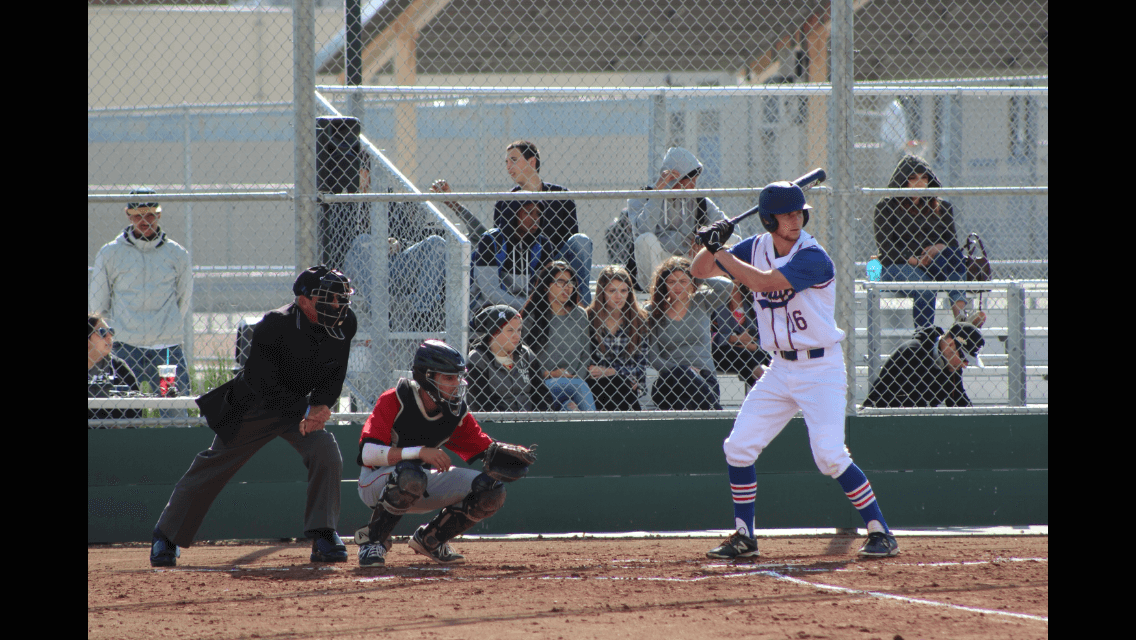
That means helping baseball players create stronger rotational power without wrecking their shoulders. That means helping basketball athletes change direction without their knees collapsing. Strength needs to support speed, coordination, and control.
If strength does not carry over into sport movement, it is just noise.
Starting Is Straightforward
Every athlete begins with a movement evaluation so I can see how they sprint, stabilize, rotate, and control load. That gives me a clear picture of what they need right now, not what a generic program says they should do.
From there, sessions evolve alongside their growth, sport schedule, and performance goals.
If Your Athlete Is Putting In The Work, Their Body Should Support It
Young athletes dedicate a lot of time to their sport. Their body should be able to handle that demand without constantly breaking down or falling behind physically.
I help athletes build the type of movement quality and strength that allows them to compete, improve, and stay healthy as the game speeds up.